Nephrology Experience
Sequoia’s nephrology experience spans common, complex, and rare renal indications across approximately 100 trials, supported by investigators who maintain active nephrology practices.
Patient Access & Study Execution
Sequoia’s nephrology investigators maintain active clinical practices with close connections to established renal patient populations. Our teams also have experience recruiting dialysis patients and executing studies that require careful coordination across complex patient needs
~100
nephrology trials across chronic, complex, and rare renal indications
40,000+
participant research database
65,000+
active patient charts
20+
dedicated study recruiters, each handling approximately 100 calls per day
Dialysis patient recruitment and management experience
Investigators with concurrent nephrology practice, supporting direct referral access
Supporting Investigators
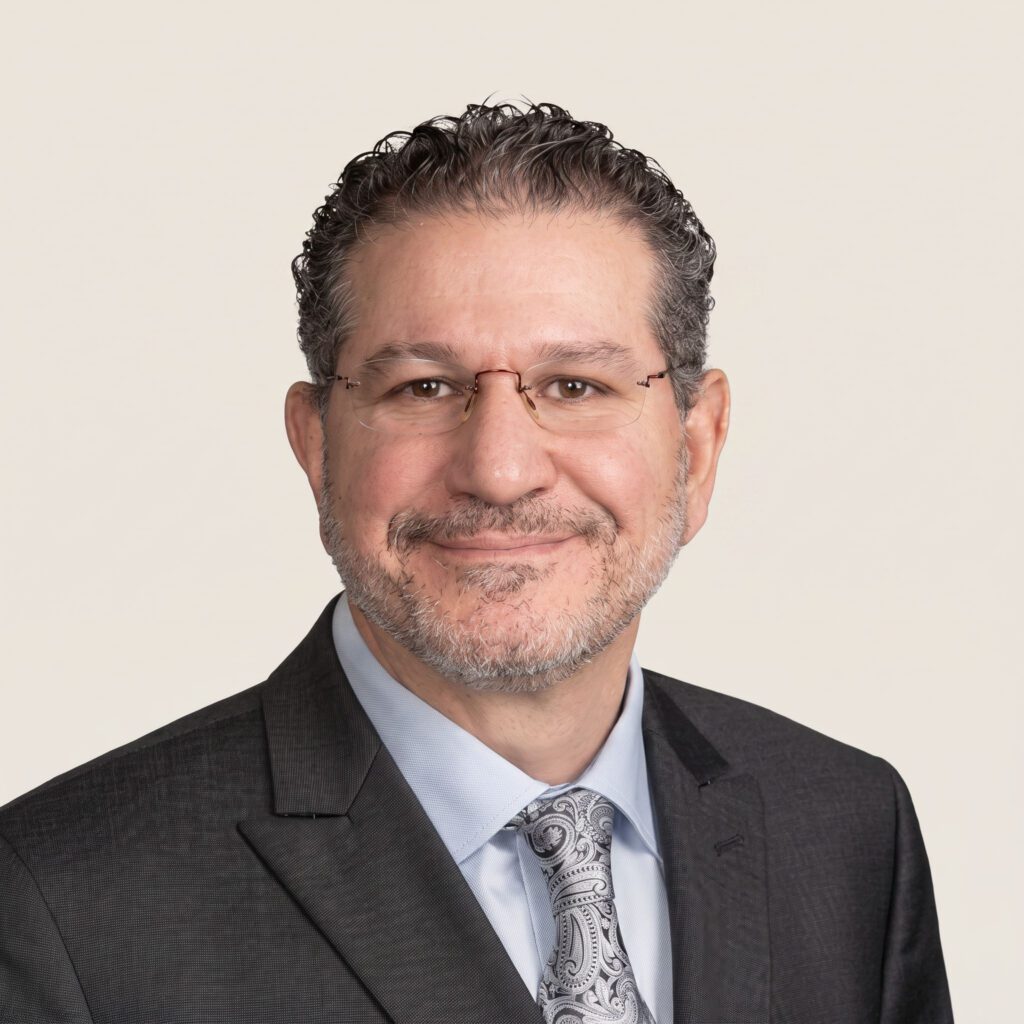
Dr. Ahmed Awad is a board-certified nephrologist who has worked in clinical research since 1999 and contributed to over 100 trials. He has also authored guidance for primary care physicians on the early detection of kidney disease and serves as an Assistant Professor of Medicine at UMKC. His clinical and research experience provides dedicated nephrology expertise across Sequoia’s network.

Dr. Damaris Vega is a board-certified endocrinologist with 20+ years of clinical research experience. Her work in obesity and metabolic research includes patient populations with CKD, hypertension, and heart failure, bringing complementary cardiometabolic expertise to studies involving patients with kidney disease.
Dr. Rocio Harbison is a board-certified endocrinologist with 10 years of clinical research experience in obesity studies across patients with CKD, hypertension, and heart failure. Her endocrine and cardiometabolic research experience supports studies involving complex renal populations.
Protocol-Specific Capabilities
Depending on protocol requirements, Sequoia provides access to specialized resources including:
Outpatient exam and infusion capacity
Dialysis-compatible visit scheduling and specimen logistics
PBMC laboratory
Onsite pharmacy
Inpatient capabilities
PK/PD support
IATA-certified specimen handling
Five FDA inspections with zero Form 483 findings reflect Sequoia's commitment to consistent quality across every study.
Discuss Your Nephrology Study
Connect with Sequoia to explore investigator fit, patient access, and feasibility for your next nephrology clinical trial.