 According to a 2024 Tufts Center for the Study of Drug Development analysis, a single day of delay in a clinical trial is worth approximately $800,000 in lost drug sales. With that much riding on study timelines, choosing the right site partner matters well beyond the feasibility process.
Sponsors need sites that can recruit the right patients quickly, maintain data quality, communicate clearly, and keep experienced investigators close to the study. But strong execution also depends on the things that are harder to preserve as a network grows: responsiveness, accountability, and deep local relationships that help sites connect with patients and deliver a strong experience throughout the study.
The best site networks bring those two sides together. They offer the recruiting reach and experience, shared resources, and operational consistency of a larger organization without losing the hands-on attention of a local site.
That balance is central to how we operate at JCCT and how we continue to grow our site network. It shapes everything from the studies we take on to how we recruit, manage quality, involve investigators, and communicate with sponsors throughout a trial. Here’s what that looks like in practice, and what sponsors should expect from a strong site partner.
Predictable enrollment, even when studies get complicated
Sponsors should be able to trust the enrollment number a site commits to, and just as importantly, get notified quickly if that number is at risk. Predictable enrollment starts with focus: we concentrate on therapeutic areas we know well, rather than spreading into areas where we don’t already have recruiting experience, investigator expertise, or access to the right patient population.
A strong site partner should have a dedicated recruitment team that can shift priorities and add capacity when a study needs it most. For every study, we build an enrollment plan and recruitment funnel around the number we commit to, designed to catch and resolve problems early.
Once we set an enrollment number upfront, our team works to meet or exceed it. But studies don’t always go according to plan. If one starts to fall behind target, we communicate that early and work closely with the sponsor to understand what’s happening to address and resolve it quickly.
A proactive approach to data quality
Too often, quality is treated as an afterthought, something checked only once an audit is on the calendar. Sponsors shouldn’t have to wait for a monitoring visit to discover a quality problem.
At JCCT, quality control starts before a participant even leaves the site. From there, case report forms are entered by a dedicated, centralized data management team, with a second quality check completed as the data is entered. For a sponsor, this means fewer queries and less risk of compliance issues surfacing at monitoring or audit.
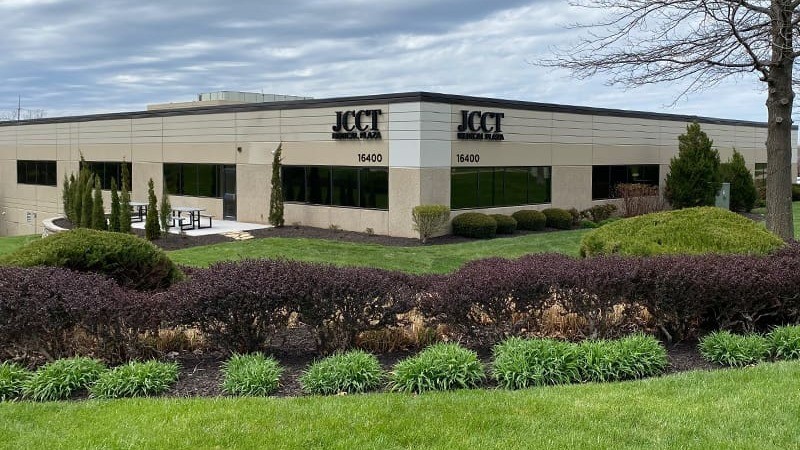
Our track record backs it up. Our Lenexa, KS site has had five FDA inspections since 2008, all with zero Form 483 findings. That record reflects our proactive approach to quality. By staying audit-ready at all times, we can respond to an inspection without scrambling to prepare once it’s announced.
Engaged investigators with real expertise in the therapeutic area
A study depends on the right medical expertise for that specific trial, not just an engaged investigator.
At JCCT, we take a physician-first approach. At our flagship site in Lenexa, two full-time MDs and two sub-investigators run studies day to day. Together, they bring years of trial experience in the therapeutic areas we focus on.
At our other sites, investigators are embedded in their own clinical practices. For them, enrolling a patient in a study is simply one more care option, offered to someone they already know and treat.
Investigator engagement is often one of the first things that erodes as a research organization grows. Our approach is built to keep investigators closely involved, even as we take on more studies, and provide them with the resources, technology, and support they need for a successful study.
Saying “no” when the study isn’t a good fit
Sometimes, “no” is the best answer a site can give in a feasibility questionnaire. A strong site network knows where it can best deliver and where it can’t.
At JCCT, we only take on studies we believe we can run well, based on our therapeutic experience, investigator fit, patient access, and operational capabilities.
If a study falls outside our therapeutic experience, patient access, investigator capabilities, or operational infrastructure, we say so upfront instead of taking on work we aren’t positioned to deliver well for our partners.
That same honesty carries through the life of the study, and it’s part of why we keep the culture of a smaller, hands-on organization even as we grow.
Enrollment gets a study started, but the work in between – communication, quality, investigator engagement, data management, patient experience – is what determines how it actually goes. That’s the balance JCCT is built to hold onto as it grows: the reach of a bigger network, without losing the attention of a single site.
Curious how JCCT could help with your next study? Get in touch with our team to start the conversation.